Women Leading the Way: A Story of Sustainable Natural Resource Management
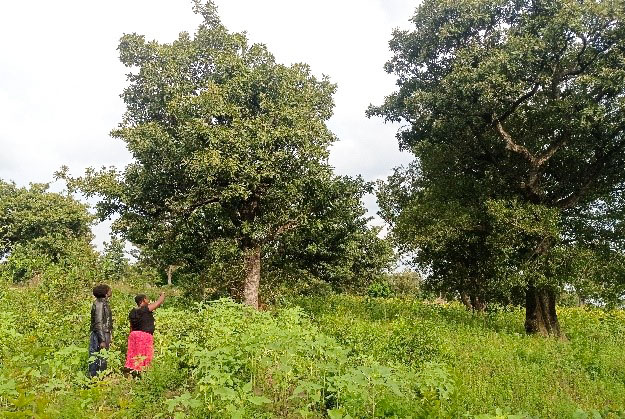
In the sub-counties of Barjobi, Adwari, and Okwang in Otuke District, poor management of natural resources posed a severe threat to both the environment and the livelihoods of the people especially women. The widespread destruction of Shea nut trees for firewood and charcoal, along with wetland degradation, led to severe soil erosion, further exacerbating the crisis. Recognizing the dire situation, women in Barwaya village took action.
In 2021, the women of Barwaya village wrote a petition to local leaders, highlighting the critical challenges they faced in managing natural resources. Their concerns included limited knowledge on formulating policies, lack of awareness regarding existing ordinances and enforcement processes, gender-based abuses during enforcement, and the absence of viable alternatives to tree-cutting and wetland farming. Additionally, they raised concerns about the unequal allocation of government projects, which left women at a disadvantage in securing sustainable solutions.
That same year, the Facilitation for Innovations and Sustainable Productivity (FINASP) sought funding from CIVFUND to conduct research on “Gender Integration for Enhancing Inclusive Natural Resource Management.” This study aimed to verify the claims made in the women’s petition and provide evidence-based solutions. The research confirmed the urgent need for intervention, prompting CIVFUND to fund two projects designed to enhance women’s empowerment in forestry and natural resource management.
Women as Agents of Change
The impact of these interventions has been transformative. Indigenous women are now actively participating in decision-making processes regarding natural resource management. They have secured leadership positions at the sub-county level, with figures like Catherine, a mother of four now serving as the Chairperson for Women’s Representation in her sub-county.
Women have also initiated tree-planting programs, focusing on native species to curb deforestation and preserve Shea and tamarind trees. They actively report cases of illegal deforestation to the appropriate authorities and work alongside men in monitoring environmental activities an area previously dominated by men. Furthermore, they have embraced small-scale businesses, improving their livelihoods and reducing dependence on activities that harm the environment.
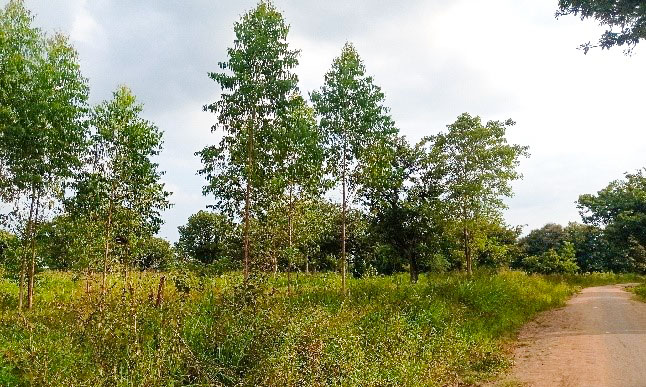
Through solidarity networks, these women continue to empower others, advocating for their rights and championing sustainable practices. Their leadership in environmental conservation is ensuring the protection of ancestral lands and the transmission of indigenous knowledge to future generations.
When women are involved in environmental protection, they become powerful custodians of nature. Their leadership not only safeguards biodiversity but also strengthens community resilience. The story of Barwaya village is a testament to the power of women-led advocacy and sustainable natural resource management. With continued support and recognition, these women will pave the way for a greener and more equitable future for all.