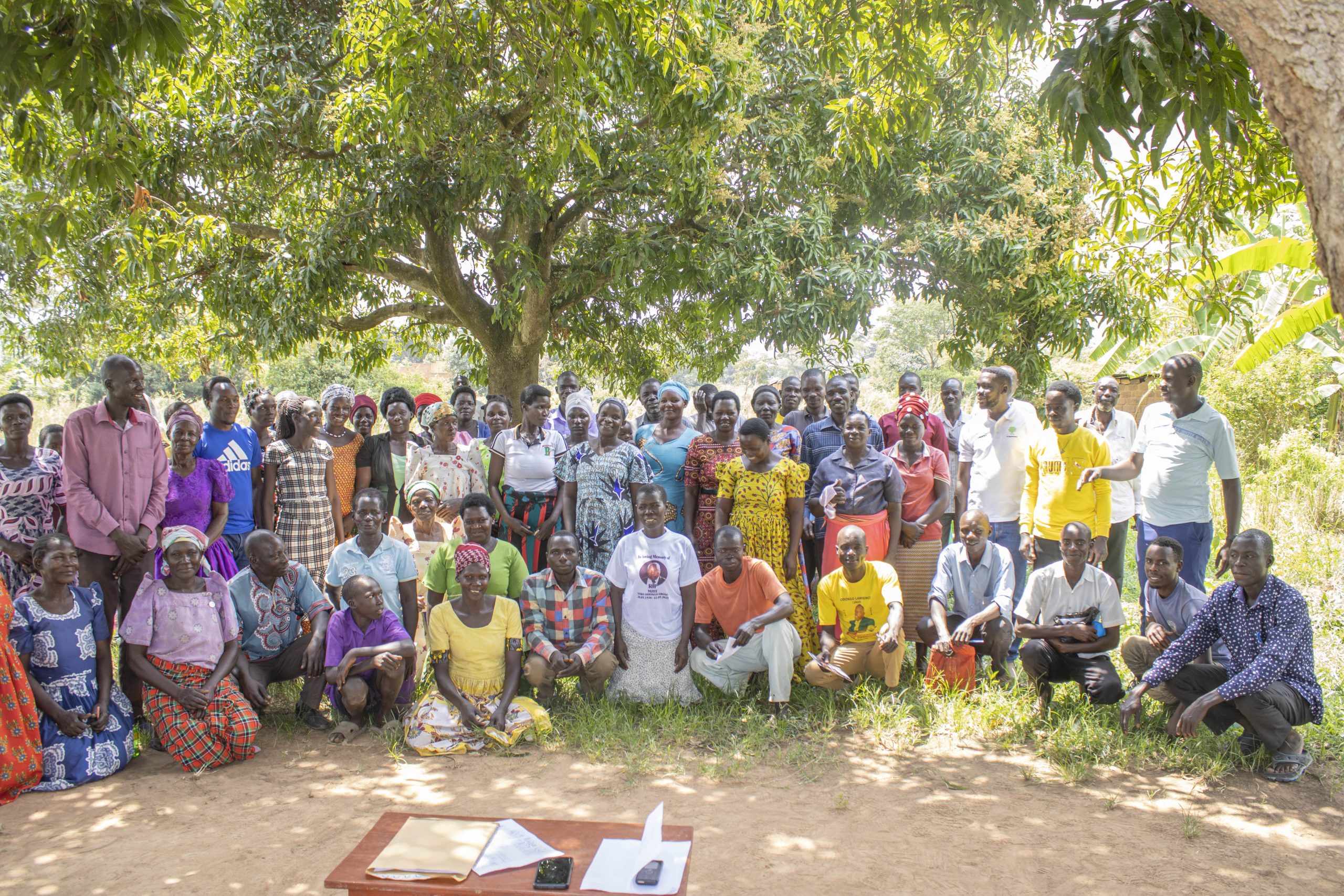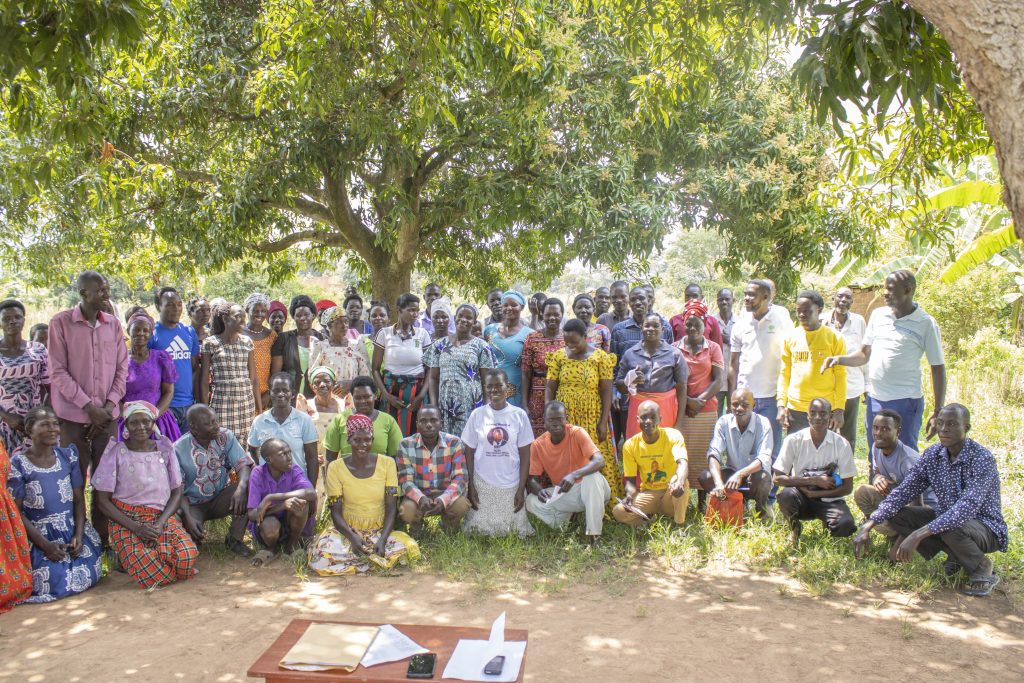
Cross-Learning Visit to Amolatar
In a bid to strengthen local development initiatives and promote knowledge exchange, our dedicated team from Dokolo District – comprising Field Officers from Adeknino and Kwera Subcounties, alongside the Dokolo Chief Executive Officer (CEO) – recently conducted a cross-learning visit to Acii Subcounty in Amolatar District. This visit was graciously hosted by the passionate INSPIRE team in Amolatar, who are known for their commitment to community-driven development.
The primary goal of this visit was to create a platform for experience sharing and practical learning, with a particular focus on subcounties located around lakes. These communities often face unique challenges such as limited access to infrastructure, environmental pressures, and livelihood vulnerabilities, while also possessing unique opportunities for sustainable development initiatives.
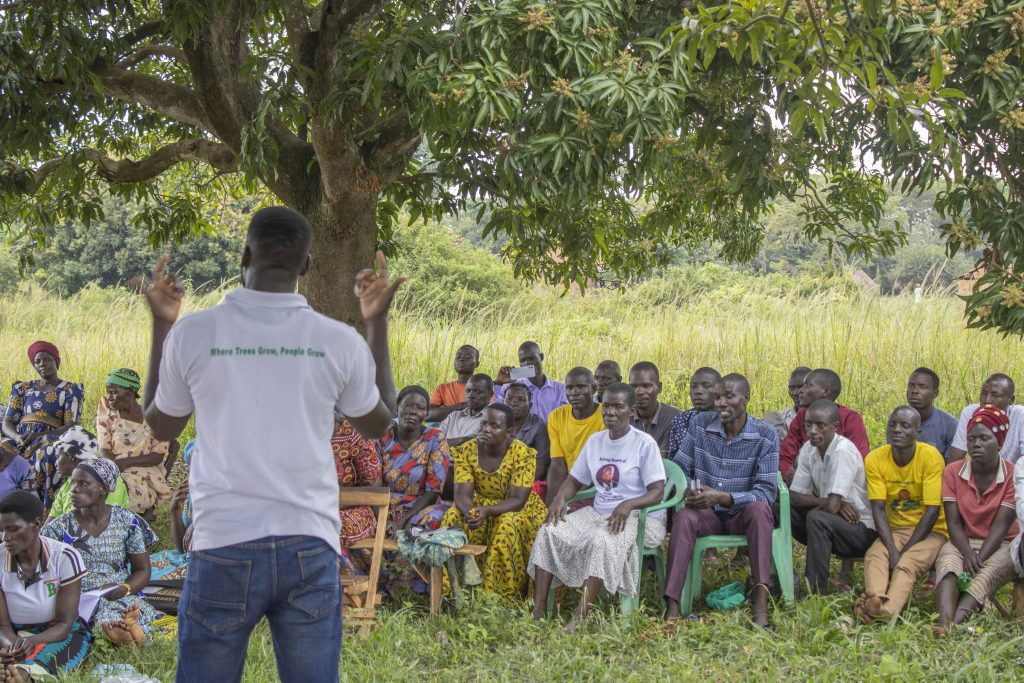
During the visit, our team engaged in in-depth learning sessions covering several critical areas:
- Mobilization Tactics: Understanding how communities around the lake are effectively mobilized for development initiatives, ensuring broad participation and engagement.
- Community Motivation: Observing practical strategies to inspire community members to actively participate and take ownership of projects.
- Community Ownership of Projects: Learning from the Amolatar model where local communities are not just beneficiaries but active stakeholders in project planning, execution, and monitoring.
- Contextual Solutions: Gaining insights into how development initiatives are adapted to suit the unique ecological, social, and economic contexts of lake-adjacent communities.
These learnings are particularly valuable for Dokolo District, where similar challenges and opportunities exist. The exchange provided our team with innovative approaches and practical strategies that can be adapted to improve development outcomes at home.
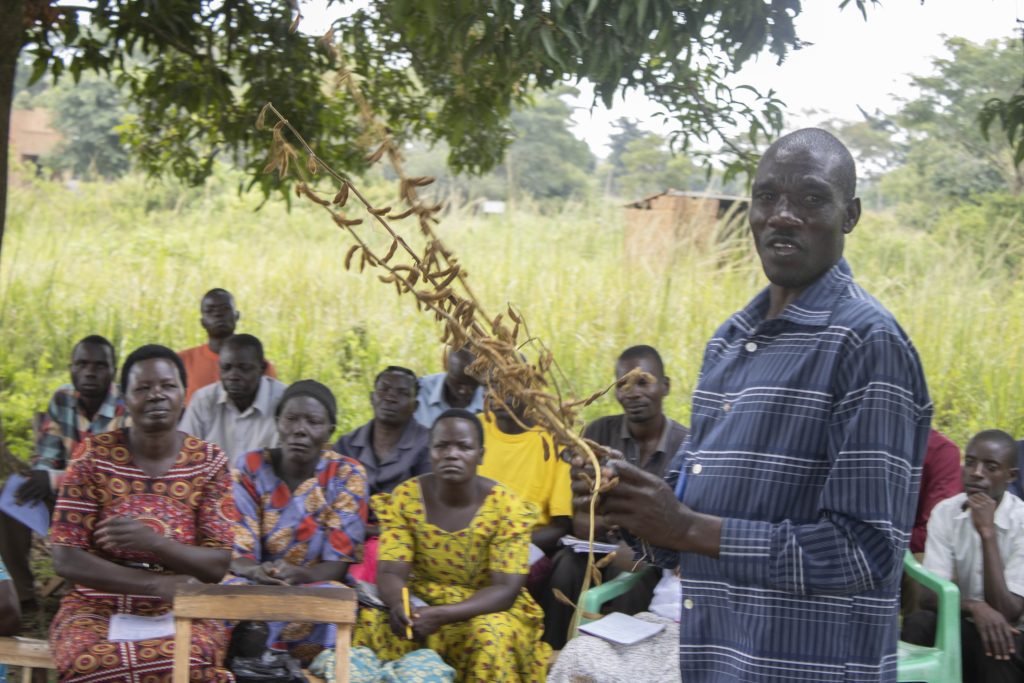
Cross-learning visits like these are essential for building resilience, fostering innovation, and promoting sustainable, farmer-driven solutions. By sharing knowledge across districts, we strengthen collaboration, enhance local capacities, and ensure that development interventions are both practical and sustainable.
The insights gained from Amolatar will inform our work in Dokolo, particularly in mobilization efforts, community engagement, and the implementation of sustainable livelihood projects. Our aim is to replicate the success of the Amolatar model and foster a culture where communities are empowered to own and sustain their development journey.