From Many Ideas to Clear Direction: How PIP Unlocked Poultry Success for Reverend Ongol Stephen
-
by
FINASP UG
Location: Aneralibi Community, Okwongodul Subcounty, Dokolo District
Before joining the INSPIRE Project, Muzee Ongol Stephen, like many smallholder farmers, relied on traditional crop farming, coffee, and fruit trees. His income was low and irregular, making it difficult to meet household needs or invest in meaningful farm improvements. Although he had several ideas, he lacked a clear plan to turn them into reality.
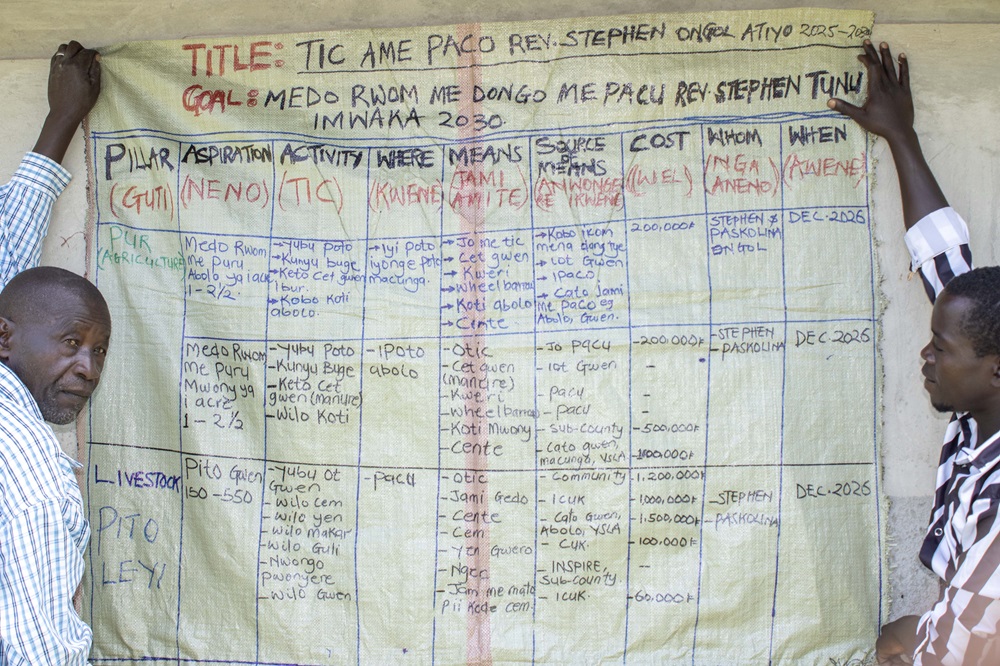
The Turning Point Through the Participatory Integrated Planning (PIP) process, Muzee Ongol Stephen developed his Household Vision and Integrated Plot Plan (IPP). This exercise helped him clearly visualize his desired future and identify practical steps to achieve it.
He realized that poultry production could become a viable enterprise — one that would generate quick returns while complementing his other farming activities.
Motivation His main drive was to improve household income, enhance food security, and create a sustainable livelihood for his family. The PIP training gave him the confidence and structure to move from subsistence farming to a more purposeful and commercial approach.
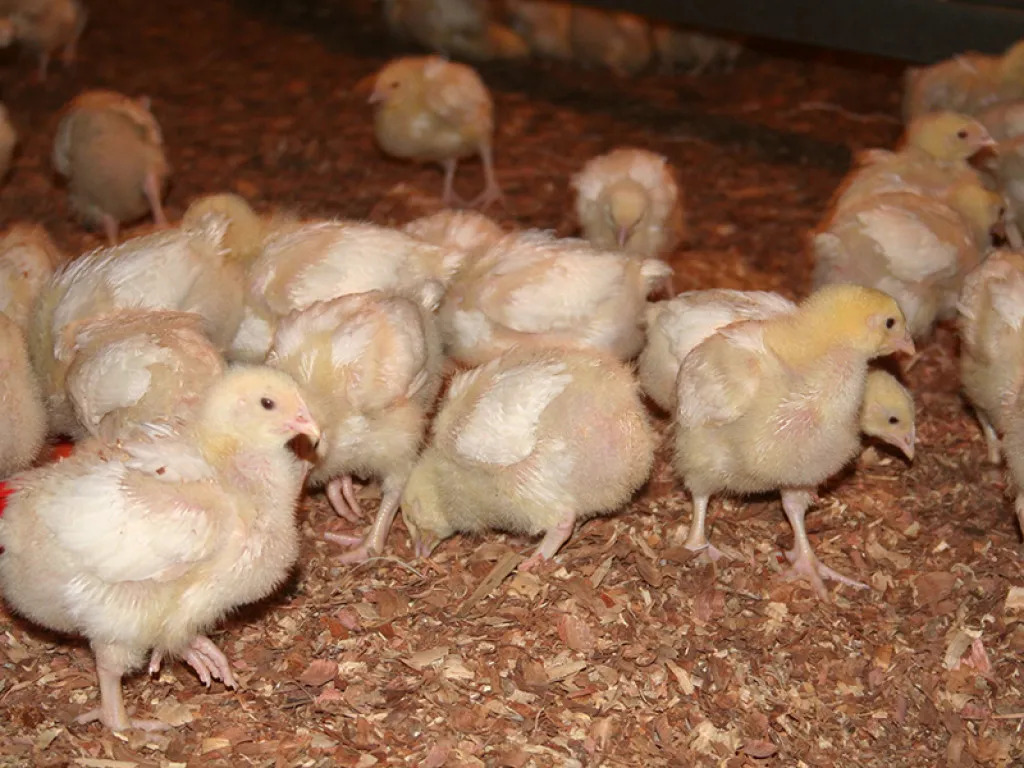
Intervention Guided by the INSPIRE Project, he established a poultry enterprise focused on buying day-old chicks, brooding them under good management conditions, and selling them at one month old to fellow farmers. He improved a room into a poultry house, acquired brooding equipment, and adopted best practices in feeding, vaccination, sanitation, and disease prevention. The poultry enterprise was carefully integrated into his broader farm plan, which includes maize, soybeans, coffee, matooke, tomatoes, cabbages, and a kitchen garden.
Results & Impact The poultry enterprise has become one of the most successful parts of his household plan. By selling one-month-old chicks, he now enjoys a reliable source of income that supports his family and allows him to reinvest in the farm.
His success has created a positive ripple effect in the community:
- Many farmers now prefer buying one-month-old chicks from him because they have higher survival rates.
- Several youths have started small poultry businesses by buying chicks from him and reselling them in neighboring villages, creating a local value chain and employment opportunities.
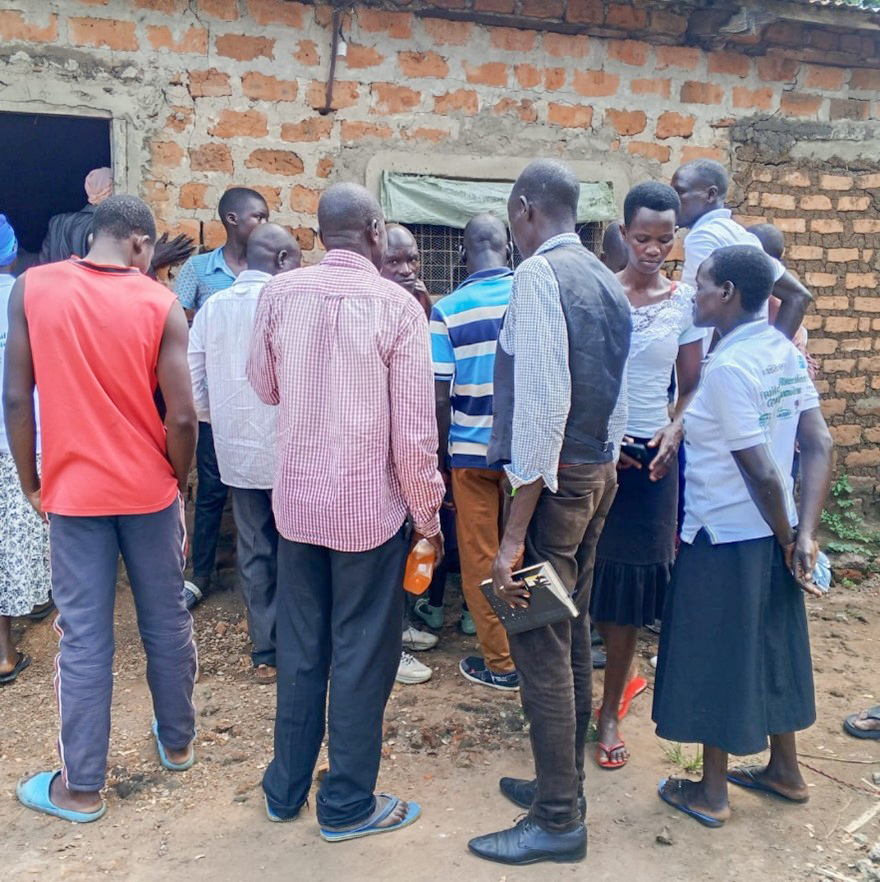
- His farm has become a learning site — farmers from other communities visit during exchange visits to learn from his integrated farming model.
Voice of the Farmer
“Before developing my PIP, I had many ideas but no clear direction. The household vision helped me identify poultry as a business opportunity. Today I am earning income from selling one-month-old chicks and helping other farmers start poultry enterprises. I now believe that every household can improve its livelihood through proper planning and commitment.” — Muzee Ongol Stephen
Lessons Learned
This story clearly shows that the PIP approach helps farmers move from vague ideas to focused action. Proper planning, enterprise diversification, and integration of livestock with crops can significantly improve household resilience and income.